
 EN
EN
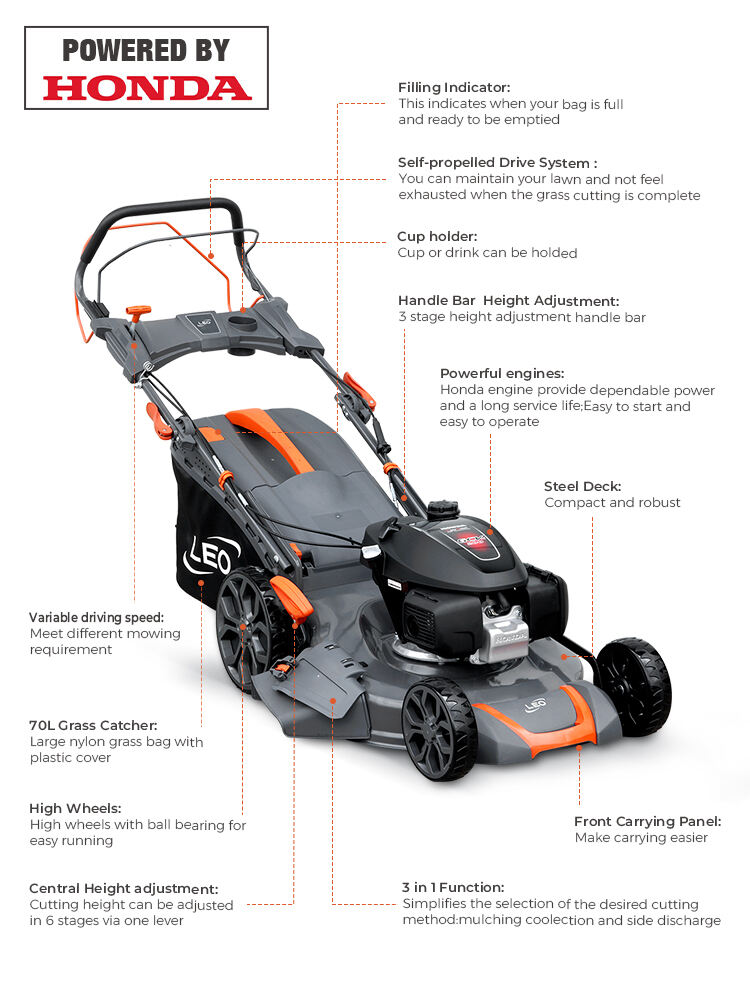
Öncədən Təhlükəsizlik və Mexaniki Yoxlamalar Benzinli qazon biçən maşın
Yanacağın Təzəliyi, Səviyyəsi və Sabitləşməsi Üzrə Ən Yaxşı Təcrübələr
Köküsüm qazının köhnəlməsi bahar mövsümündə çim biçən maşınlarının işə düşməməsinin ən başlıca səbəblərindən biridir. Adi etanol əlavəsi olmayan benzin cildə təxminən bir ay saxlanıldıqdan sonra parçalanmağa başlayır və karbyurator kanallarını bağlayan yapışqan qalıqlar əmələ gətirir. Bağbanlıq həvəskarları mümkün qədər etanol əlavəsi olmayan təzə benzindən istifadə etməlidirlər. Yanacaq doldurarkən bakda havanın daha az qalmasına imkan verəcək şəkildə təxminən %10 boş yer buraxın, bu, benzinin keyfiyyətinin pisləşməsini yavaşladır. Bir aydan çox müddətli saxlama planlaşdıranlar yanacaq sabitləşdiricilərinin əlavə edilməsi ilə bağlı avadanlıq istehsalçısının tövsiyələrinə riayət etməlidirlər. Bu məhsullar inadkar lak çöküntülərinin əmələ gəlməsini dayandırır və metal komponentlərin daxilində paslanmadan qoruyur. Bakdan mühərrikə gedən rezin yanacaq şlanglarını da yoxlamağı unutmayın. Zamanla çatlamaların və ya qırılganlığın əlamətlərini diqqətlə yoxlayın. Burada kiçik bir sızıntı zamanında operativ şəkildə aradan qaldırılmadığı təqdirdə potensial yanğın riski də daxil olmaqla daha böyük problemlərə səbəb ola bilər.
Yağ Səviyyəsinin Yoxlanması və Keyfiyyətin Qiymətləndirilməsi
Həmişə çim biçən maşının işə salınmasından əvvəl yağın yoxlayın. Maşını əvvəlcə müstəvi səthə qoyun, sonra yağ ölçmə çubuğunu götürün, onu tamamilə silin, yenidən tam daxil edin və yağı nə qədər olduğunu görmək üçün təkrar çıxarın. Səviyyə çubuqdakı Tam (Full) xəttinə qədər çatmalıdır, lakin bu xətti keçməməlidir. Əgər yağ çox qaranlıq və yapışqanlı görünürsə, ehtimal ki, dəyişdirmə vaxtı gəlibdir. Həmçinin süddən xatırlayan hər hansı bir maye olub-olmadığını da yoxlayın, çünki bu, kondensasiya nəticəsində mühərrik içərisinə suyun daxil olduğunu göstərir. Kiçik Mühərriklər Jurnalı keçən il bildirdi ki, kiçik mühərrik nasazlıqlarının təxminən üçdə ikisi yağlanmanın kifayət qədər olmaması səbəbindən baş verir. Bir çox istifadəçi yağını ildə bir dəfə dəyişdirməyi kifayət qədər effektiv hesab edir, lakin yaz-yay mövsümündə çimdən biçən maşınlarını davamlı işlədənlər bunu daha tez-tez etmək istəyə bilərlər. Xüsusi 4 taktlı mühərriklər üçün texniki baxım intervalları haqqında istehsalçının nə dediyini yoxlayın.
İşə salma Proseduru Benzinli qazon biçən maşın
Priming, Çoke Tənzimlənməsi və Temperaturdan Asılı Olaraq İşə Salma Addımları
Soyuq vəziyyətdə matoru primer rezervuarından 3–5 dəfə sıxın və yanacağın xətlərdə görünməsini gözləyin — sonra dayandırın. 60°F (15°C) aşağı temperatur üçün tıxacı "tam" vəziyyətinə gətirin; bu temperaturdan yuxarıda isə "yarım tıxac" istifadə edin və ya ümumiyyətlə sıxmağı tərk edin. Artıq sıxma matorun yanacağı ilə doymasına səbəb olur və işləməsini gecikdirir. Vəziyyətə uyğun metod seçin:
- Soyuq səhərlər : Tam tıxac + sıxma
- İsti gündüz vaxtları : Yalnız yarım tıxac
- İsti təkrar başladılma : Tıxac və ya sıxma yoxdur
Başlatıcı İp Texnikası: Tutma, Bədən Mövqeyi və Yaygın Səhvlər
Çim biçən maşını işə salınarkən, başlanğıc tutacağına əsas əllə sıxısqı tutulmalı və digər əl sabitliyi təmin etmək üçün çim biçən maşının gövdəsində qalmalıdır. Düzgün yerləşmə də vacibdir - ayaqlar qol uzunluğu qədər aralıqda olmalıdır və dizlər bir az əyilməlidir. Halat omuz səviyyəsinə qədər düz şəkildə çəkililməlidir, tərəfə doğru dartmaq və ya geri-irəli tərpətmək olmaz. Qurğunu düzgün fırlanmayacaq üçün hissə-hissə çəkmək nəticə verməz və tutacağı çox tez buraxmaq başlanğıc mexanizminin daxilindəki hissələrin zədələnməsinə səbəb ola bilər. Həmçinin irəli doğru əyilməkdən çəkinin, çünki bu, bel əzələrinə artıq gərginlik yaradır. Növbəti istifadə zamanı halatın dolanmaması üçün o, tamamilə yerinə qayıdına qədər üzərində müəyyən yüngül təzyiq saxlanılmalıdır.
Dərhal Başlamadan Sonra İdarəetmə və İşləmə Təhlükəsizliyi
Təhlükəsizlik Tirəsi (Bail) Qoşulması və Əlin Yerləşdirilməsi Protokolu
Maşın işə düşən kimi dərhal operatorun iştirakını təmin edən idarəetmə çubuğunu sıxın. Əgər kiminsə bu təhlükəsizlik cihazından əli düşərsə, bıçaq təxminən üç saniyədə fırlanmasını dayandıracaq. Həmçinin həmişə hər iki əlinizi tutacağırdan möhkəm saxlayın və daha yaxşı nəzarət üçün baş barmaqlarınızı alt tərəfə dolayın. Bu avadanlığın vacib hissəsini heç vaxt söndürməyi və ya ondan kənara çıxmağı düşünməyin. ABŞ İstehlak Məhsulları Təhlükəsizliyi Komissiyasının rəqəmlərinə görə, hər il təxminən 11 min nəfər lawn mowers (əymər) istismarı zamanı xəsarət alır və əksər hadisələr insanların əllərini düzgün yerləşdirməməsi səbəbindən baş verir. Ot kəsərkən çıxış sahəsindən ən azı altı düym uzaqda durun. Hər hansı bir işə başlamazdan əvvəl bail-in (idarəetmə çubuğunun) həssaslığını yoxlayın. Tamamilə qadağandır ki, isladıq barmaqla və ya əlcək taxaraq ot kəsmək, çünki bunlar idarəetmə elementlərindən asanlıqla sürüşə bilər.
Bıçağın Təmizliyi, Hissəciklərin Yoxlanması və Təhlükəsiz Hərəkət Qaydaları
Quraşdırmanı başlamazdan əvvəl ətrafınıza yaxşı baxın. İş zamanı uçuşa biləcək hər hansı bir şeyi görmək üçün gözlərinizi tam dairə şəklində süpürün. İş sahəsindən təxminən on fut məsafədə olan dəyməzləri, itkin toyuqları, yıxılmış budaqları və digər tullantıları aradan qaldırın. Quraşdırmanı heç vaxt arxanızda çəkməyin; həmişə onu irəli doğru itələyin. Qalay və ya yolda işləyərkən, təhlükəsiz keçid edənə qədər pərlərin fırlanmasını dayandırın. Çox enişli olmayan (on beş dərəcə bucaqdan az) yamaclarda ot biçərkən düz xətlər üzrə hərəkət edin və onları yüngül şəkildə üst-üstə gətirin. Yamaclarda irəli-geri getməyin, çünki bu problemlərə səbəb ola bilər. Blokajları təmizləmək və ya maşının altını yoxlamaq lazımdırsa, mühərriki tamamilə söndürün. Keçən il yayımlanan son araşdırmaya görə, ot biçən maşınları ilə bağlı hadisələrin demək olar ki, üçdə ikisi fırlanan pərlərə çox yaxın getməkdən baş verir. Buna görə də maşını işə salandan sonra hər şeyin hamar işlədiyini və normal hiss olunduğunu əmin olmaq üçün özünüzə üç saniyəlik müddət ayırmaq təhlükəsizlik üçün həddən artıq vacibdir.
Birinci Dəfə Xidmət: Başlamaqla Əlaqəli Ümumi Problemlərin Diaqnostikası
Maşın işə salınmadığı zaman, problemin səbəbini addım-addım müəyyənləşdirmək lazımdır. Öncə yanacaq bakından başlayaq. Adətən, köhnə benzin bunun əsas səbəbidir. Kiçik Mühərrik Jurnalı 2023-cü ildə bildirmişdi ki, təxminən 10-da 8 halda maşın işə düşmədiyi zaman bunun səbəbi benzinin bir aydan çoxdur dayanmasıdır. İndi isəiskəmə qabını yoxlayın. Əgər o, qara lакa ilə örtülübsə və ya keramika hissə çatlamışdırsa, bu mühərrikin düzgün şəkildə işə düşməsinə mane olacaq. Hava filtri haqqında da unutmayın. Bəzən toz o qədər çox toplanır ki, hava axınını tamamilə bloklayır. Yan tərəfdəki təhlükəsizlik kolunun sonuna qədər dartıldığı zaman yandırma sistemi ilə düzgün şəkildə birləşdiyini də yoxlayın. İnsanlar tez-tez bu hissəni ümumiyyətlə nəzərə almırlar. Bu bütün əsas elementlər yoxlanıldıqdan sonra, işə salma mexanizmini yoxlayın. Halat lövhə çıxır? Daxildəki kiçik metal dişlər düzgün qoşulmur? Bu ümumi problemlərin aradan qaldırılması, adətən, peşəkar yardım çağırmadan maşının yenidən işə düşməsini təmin edir.
SSS
Niyə mənim lawnmower işə düşmür?
Ümumi səbəblərə köhnəlmiş benzini, çirkin svetka, tıxanmış hava filtri və ya təhlükəsizlik tirinin işə salınmaması daxildir.
Çim biçən maşınımda nefti nə qədər tez-tez dəyişməliyəm?
Ümumiyyətlə, bir ilə bir dəfə nefti dəyişmək məsləhət görülür, lakin mövsümün zirvəsində daha tez-tez dəyişiklik tələb oluna bilər.
Mashinimi uzun müddət saxlamazdan əvvəl nə etməliyəm?
Stabilizatorlarla təzə benzindən istifadə edin, yanacaq şlanglarını yoxlayın və istehsalçının saxlama tövsiyələrinə əməl edin.